
Malaysia’s Energy Future: Understanding Petronas, Oil Markets, and the Renewable Shift
Explore how Malaysia’s energy sector shapes the economy. From Petronas revenue streams to global oil pricing effects and renewable energy transition plans.
Why Malaysia’s Energy Sector Matters
The energy industry isn’t just about oil and gas. It’s the backbone of Malaysia’s economy, government funding, and future sustainability goals.
Petronas Leadership
Malaysia’s national oil company generates substantial government revenue across upstream exploration, downstream refining, and petrochemical production. Petronas isn’t just a business — it funds critical development projects nationwide.
Global Market Dependency
International crude oil prices directly impact Malaysia’s fiscal health. We’re exposed to commodity volatility, currency fluctuations, and geopolitical energy dynamics that ripple through every sector of the economy.
Renewable Transition
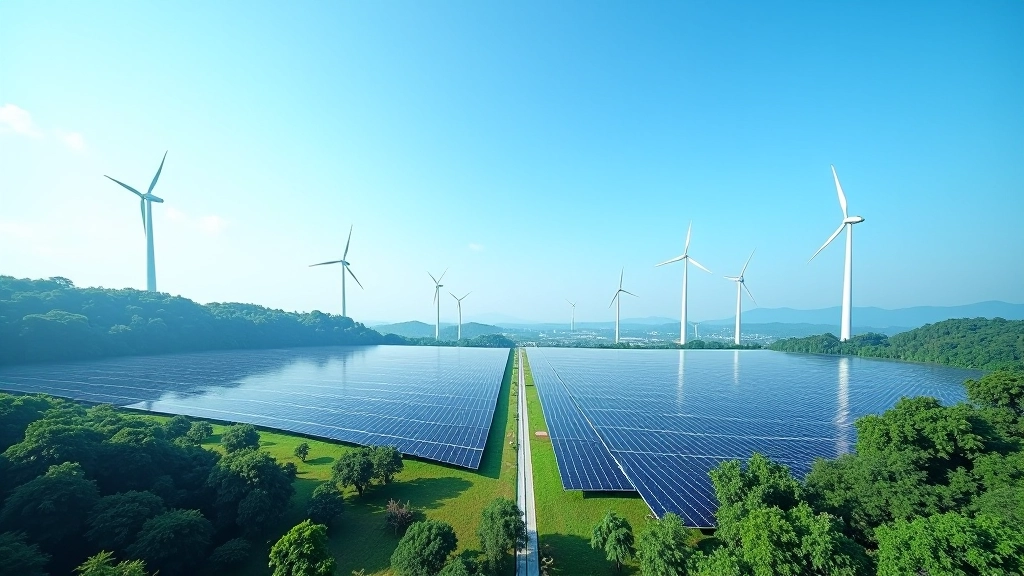
Malaysia’s aiming for 31% renewable energy by 2025. That’s massive infrastructure investment, policy shifts, and a fundamental reimagining of how we generate power. It’s happening faster than you might think.
Subsidy Burden
Energy subsidies cost the government billions annually. They keep fuel and electricity cheap for consumers but create fiscal strain. Understanding this tradeoff is key to Malaysia’s long-term economic planning.
Essential Reading on Malaysia’s Energy
Three comprehensive guides breaking down the most critical aspects of Malaysia’s energy sector and economic impact.

Petronas Revenue Streams and National Economy Contribution
How Malaysia’s national oil company generates revenue across upstream, downstream, and petrochemical operations. A detailed breakdown of Petronas’s role in funding government development projects.
Read Article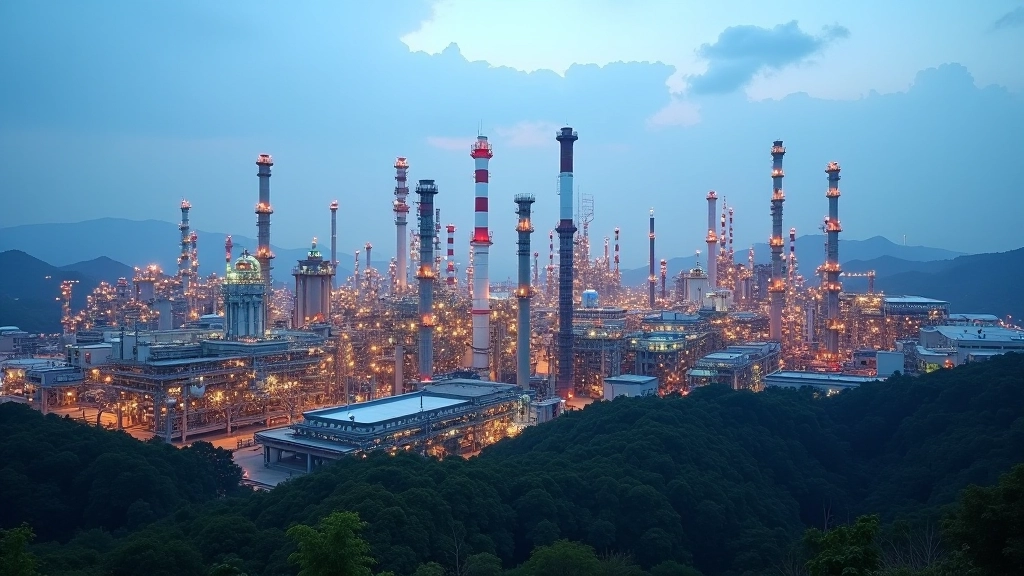
Global Oil and Gas Pricing Effects on Malaysia’s Economy
Why international crude oil prices matter to Malaysia. We examine commodity price volatility, currency impacts, and how global energy markets influence domestic fiscal policy and consumer prices.
Read Article
Malaysia’s Renewable Energy Transition Plans and Timeline
Malaysia targets 31% renewable energy by 2025. We break down solar expansion initiatives, hydroelectric projects, and the infrastructure investments needed to transition from fossil fuel dependency.
Read ArticleHow Energy Shapes Malaysia’s Economic Future
The Connected Economy
Energy isn’t isolated. When global oil prices drop, government revenue falls. When electricity costs rise, manufacturing becomes more expensive. These ripples affect everything from employment to inflation to currency stability.
Malaysia’s challenge? We’re transitioning away from oil dependence while managing immediate fiscal pressures. It’s a balancing act between energy security, economic stability, and environmental responsibility.
- Petronas contributes roughly 30% of federal government revenue
- Energy subsidies represent significant fiscal drag
- Renewable expansion requires massive capital investment
- Oil price volatility affects currency and trade

The Energy Subsidy Question
Government subsidies keep energy affordable for everyday Malaysians. But they cost billions annually. Understanding this tension is crucial.
Balancing Act
Subsidies protect consumers from energy price shocks. They keep transportation affordable, electricity accessible, and the cost of living manageable. That’s politically important and socially necessary.
But there’s a cost. Those billions could fund education, healthcare, or infrastructure. And subsidies can mask market inefficiencies, discouraging conservation and efficient energy use.
The Trade-off
Malaysia faces an ongoing policy question: maintain subsidies for affordability, or reduce them to free up fiscal space? There’s no perfect answer — just difficult choices with real consequences for millions of people.
Malaysia’s Energy Transition Timeline
The shift to renewable energy isn’t theoretical. It’s happening now with concrete targets, infrastructure projects, and policy changes.
31% Renewable Target
Malaysia’s aiming to generate nearly one-third of electricity from renewable sources. Solar farms, hydroelectric projects, and biomass initiatives are already under construction across the country.
Mid-Term Goals
Continued renewable expansion with grid modernization. Energy storage solutions become increasingly important as intermittent renewables grow. Battery technology investments accelerate.
Net-Zero Vision
Malaysia’s committed to carbon neutrality by mid-century. That means complete transformation of the energy system — massive infrastructure change, industrial adaptation, and new economic opportunities in clean energy sectors.
Energy Sector FAQs
Got questions about Malaysia’s energy future? We’ve got answers.
Why does global oil price matter to Malaysia?
Malaysia exports crude oil and liquefied natural gas. Lower global prices mean lower export revenues, which directly impacts government income since Petronas is state-owned. Plus, oil prices influence currency values and affect import costs for other goods.
What’s Petronas’s role in the economy?
Petronas is Malaysia’s national oil company. It operates oil and gas fields, refineries, petrochemical plants, and liquefied natural gas facilities. Petronas pays dividends and taxes to the government — we’re talking billions of ringgit annually that fund hospitals, schools, and infrastructure.
Can Malaysia realistically hit 31% renewable energy by 2025?
It’s ambitious but achievable. Solar capacity’s expanding rapidly, hydroelectric resources are being developed, and biomass projects are online. The challenge isn’t technical — it’s about grid integration, storage solutions, and maintaining reliable baseload power.
How much do energy subsidies cost Malaysia?
Exact numbers vary, but energy subsidies cost the government billions annually. When you keep fuel and electricity artificially cheap, those costs add up. Reducing subsidies is politically difficult but financially necessary for long-term stability.
What happens to Petronas if Malaysia goes fully renewable?
Petronas won’t disappear. It’s already investing in renewables and clean energy. The company’s diversifying its portfolio. Plus, global energy demand will remain high for decades. Petronas’s future involves managing the transition, not ending abruptly.
How does energy policy affect my daily life?
Energy policy determines electricity costs, fuel prices, and overall inflation. Subsidy changes directly affect what you pay at the pump. Energy prices ripple through transportation, manufacturing, and services — everything you buy is influenced by energy economics.
Want to Dive Deeper?
We’ve got comprehensive guides on Petronas, oil pricing, renewable transitions, and subsidy impacts. Get the full picture of Malaysia’s energy sector and economic landscape.